

Polypropylene (PP) is one of the very most adaptable and trusted thermoplastics globally. From food packaging to automotive areas, that material is ubiquitous. But, its common use creates an important waste management concern PP Recycling.Shifting the focus from disposal to recycling provides a proper advantage for forward-thinking enterprises and local municipalities.
Under, we handle the absolute most demanding questions regarding Polypropylene recycling and its tangible effect on commerce and neighborhood health.
Why is Polypropylene a critical material for recycling?
Polypropylene is often labeled as resin identification signal #5. It is prized for the heat weight, toughness, and compound resistance. Nevertheless, because it's therefore resilient, it persists in landfills for ages if not maintained correctly.
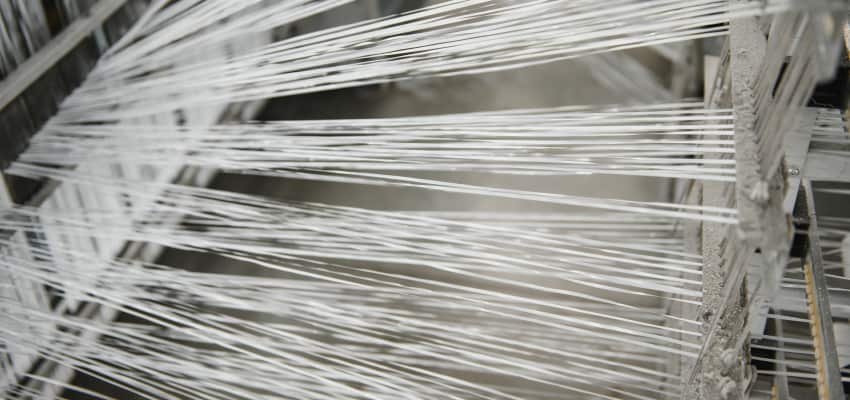
Recycling PP is not just about waste decrease; it is all about source recovery. By reclaiming this material, industries can lower their reliance on virgin fossil fuels. The method transforms extracted plastic into high-quality pellets that can be reintroduced to the production cycle, shutting the hook on production.
What are the economic benefits for businesses?
Applying an effective PP recycling technique is increasingly seen as an intelligent economic move rather than just a compliance requirement.
Paid off Natural Substance Expenses: Recycled Polypropylene (rPP) is usually more affordable than virgin resin. Manufacturers employing rPP may somewhat decrease their creation costs without limiting on quality for most applications.
waste Removal Savings: Landfill costs and waste carrying expenses are increasing globally. By diverting PP waste into recycling streams, companies can drastically cut their operational costs related to waste management.
Industry Demand: Contemporary customers and B2B customers prefer sustainable brands. Companies that may display a commitment to applying recycled content usually see improved brand respect and competitive differentiation.
How does PP recycling impact local communities?
The advantages of recycling extend much beyond the factory floor. Areas that prioritize recycling infrastructure see measurable changes in public places health and environmental quality.
Landfill Diversion: Diverting PP from landfills extends the lifespan of regional waste removal sites, delaying the requirement for new, frequently controversial, landfill projects.
Job Generation: The recycling market is labor-intensive compared to waste disposal. Variety, working, and processing features build regional natural jobs, causing a robust local economy.
Decrease Carbon Presence: Production services and products from recycled plastic involves significantly less energy than making them from raw petroleum. That lowering of energy usage correlates directly with lower greenhouse gas emissions, ultimately causing solution air for local residents.

Is the demand for recycled PP growing?
Absolutely. The worldwide market for recycled Polypropylene is expanding rapidly. Significant areas, including the automotive and customer things industries, have collection ambitious goals for recycled content usage. This spike in need guarantees that recycled PP remains an invaluable product, giving balance for the recycling industry and encouraging further investment in selection and control technologies.
The Future of Sustainable Manufacturing
The transition to a circular economy depends greatly on components like Polypropylene. By realizing the inherent price in plastic waste, organizations can turn a removal charge in to a revenue stream while concurrently fostering healthy, more sustainable communities. The data is apparent: purchasing PP recycling can be an expense in a resilient and profitable future.